
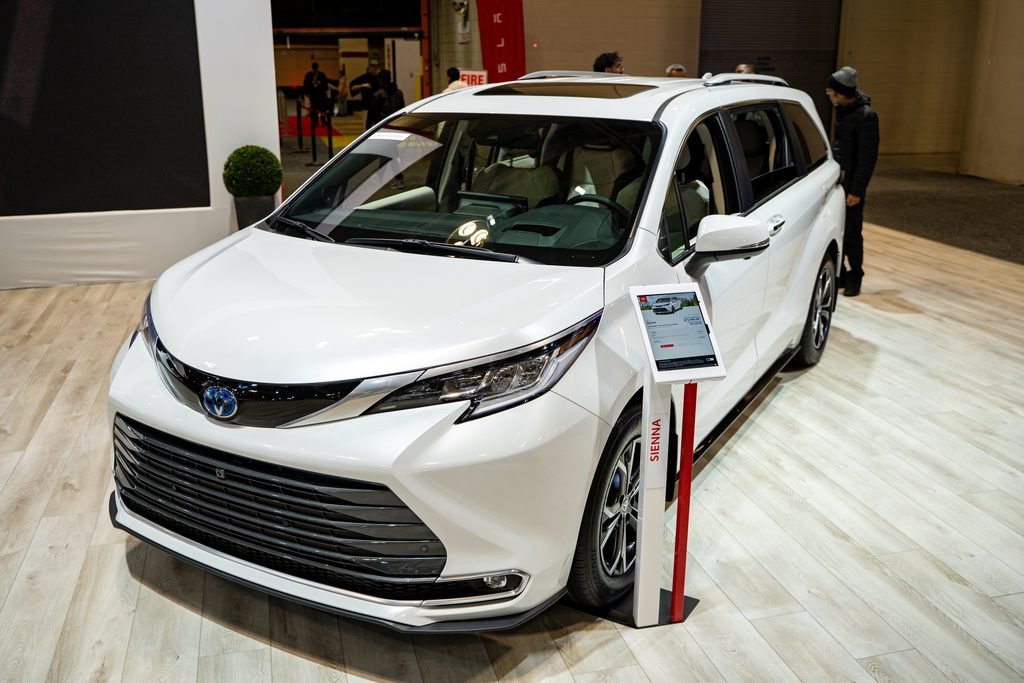
In general, I think a hybrid is asking for trouble. Toyota, Lexus, Hyundai, Chrysler, you name it, crams a gas engine and an electric drive system into one car. That’s twice the stuff that can break.
I’ll give Toyota and Lexus their due. Older Toyotas and Lexi earned their reputation for good reason. And I’ll be upfront: I’ve driven hybrids, but I’ve never bought one. I own two EVs.
So I went and checked whether I’m right – it seems mixed.
Is a Hybrid Worth It? The Quick Answer
A regular hybrid can pay for itself in about four to six years, even under 15,000 miles a year. A plug-in hybrid almost never pays for itself on fuel savings alone at today’s prices.
And if you own a home and can charge there, I’d skip both and go fully electric. That’s my opinion. I’ll explain why at the end.
Where My Hybrid Bias Is Wrong (Mostly)
Consumer Reports surveys car owners about problems every year. Its latest results push back on my “more parts, more problems” theory. Hybrids had about 15% fewer problems on average than gas-only cars.
J.D. Power sees it a little differently. In its 2026 study of three-year-old vehicles, gas models had the fewest problems at 198 per 100 vehicles. Hybrids came in at 213. So the fair read is that regular hybrids are about as reliable as gas cars. They’re not a reliability gamble. They’re not automatically better either.
Why a Hybrid Can Have Fewer Problems
Here’s what surprised me. A Toyota-style hybrid doesn’t just add parts. It deletes some.
There’s no conventional automatic transmission. A planetary gear set that never shifts blends power from the engine and two electric motors. That design also eliminates the need for a separate starter, alternator and accessory belts. Regenerative braking does much of the slowing, so the brakes wear less.
The Brand Matters More Than the Powertrain
My hunch is that much of the hybrid reputation is really a Toyota and Lexus reputation. They sold many of the early hybrids. They already built reliable cars.
Consumer Reports more or less agrees. It credits Toyota, Hyundai and Kia with spending years refining their hybrid systems.
One example makes the point. The Mazda CX-50 Hybrid uses the hybrid powertrain from the Toyota RAV4. Consumer Reports still expects the 2026 model to be less reliable than the average new car. Same hardware, different company, different result.
It cuts the other way too. Consumer Reports rated the Ford F-150 Hybrid and Kia Carnival Hybrid best in their categories for reliability. It also warns that a hybrid isn’t automatically more reliable than the gas version of the same model.
Comparing the Same Car Gas vs. Hybrid
The cleanest test would be a hybrid against the gas version of the same car. That’s getting hard to do with Toyota. The Sienna went hybrid-only in 2021. The Camry followed for 2025 and the RAV4 for 2026.
The Corolla still comes both ways. Consumer Reports expects the 2026 Corolla Hybrid to be more reliable than the average new car.
Plug-Ins Are a Different Story
Where my gut is right is plug-in hybrids. Consumer Reports found that EVs and plug-in hybrids have about 80% more problems on average than gas-only cars. J.D. Power ranks plug-ins worst of any powertrain at 281 problems per 100 vehicles.
Plug-ins carry a bigger battery, a charging system and a full gas powertrain. That’s the “combining both into one” problem I had in mind.
The worst offenders were from Stellantis. Consumer Reports called the Chrysler Pacifica Hybrid, which is a plug-in, the least reliable minivan in its survey. The Jeep Wrangler 4xe and Grand Cherokee 4xe shared the bottom of the midsize SUV rankings. All three have since been discontinued.
So: regular hybrids from proven brands, I mostly stand corrected. Plug-ins, I’m sticking with my skepticism.
The Regular Hybrid Math
Toyota lists the 2026 Corolla LE at $23,125 and the 2026 Corolla Hybrid LE at $24,975. That’s an $1,850 difference before taxes and fees. The EPA rates the hybrid at 50 combined MPG. Toyota lists the gas LE at 35.
Here’s the payback with a hypothetical $3.25 a gallon:
| Miles per year | Gas LE fuel cost | Hybrid LE fuel cost | Savings | Payback on $1,850 |
|---|---|---|---|---|
| 12,000 | $1,114 | $780 | $334 | About 5.5 years |
| 15,000 | $1,393 | $975 | $418 | About 4.4 years |
That’s roughly four to five years, which is what I would have guessed. Higher gas prices shorten it. A bad deal at the dealership stretches it.
The battery isn’t the time bomb people make it out to be, either. Toyota covers its hybrid batteries for 10 years or 150,000 miles on applicable models.
The Plug-In Math (Where My Thesis Fell Apart)
My theory was that a plug-in hybrid wins if your commute is 10 miles or less each way. You charge at home, drive to work on electricity and barely touch the gas engine. I figured it would pay off in four or five years.
I ran the numbers on Toyota’s 2026 lineup. The regular Prius LE starts at $28,550 and gets 57 combined MPG. The Prius Plug-in Hybrid SE starts at $33,775, with 44 miles of electric range and 52 MPG after the battery runs down. That’s a $5,225 premium.
Assume a 20-mile round-trip commute 250 days a year, all on electricity, plus 7,000 other miles on gas. For electricity, assume a hypothetical 15 cents per kWh and 4 miles per kWh. For gas, keep $3.25.
| Car | Sticker | Yearly fuel and electricity |
|---|---|---|
| Corolla LE (gas) | $23,125 | $1,114 |
| Prius LE (hybrid) | $28,550 | $684 |
| Prius Plug-in Hybrid SE | $33,775 | $625 |
The plug-in saves only about $59 a year over the regular Prius. At that rate, the $5,225 premium never pays back in any normal ownership period. Against the gas Corolla, the plug-in saves about $489 a year but costs $10,650 more. That’s a payback of about 22 years.
The problem is that the regular Prius is already so efficient there isn’t much left to save. And the federal EV and plug-in hybrid tax credit, worth up to $7,500, expired on September 30, 2025, so there’s no help there.
The Free-Nights Asterisk
Here’s the asterisk. Where you live can change the electricity side of this. In Texas, you can choose your electricity plan. We picked one with free electricity from 11 p.m. to 5 a.m. That’s when we charge our cars.
Charge a plug-in only in that window and the commute miles cost nothing. In my example, the yearly bill drops from $625 to about $438. The savings over the regular Prius grow from $59 to about $247 a year.
That helps. It still doesn’t rescue the math. The $5,225 premium would take about 21 years to pay back. One caution: plans like this can charge more during the rest of the day, so look at your whole bill.
Buy a plug-in because you like driving on electricity during the week. Don’t buy it to save money.
What About Power?
My impression is that the newer hybrid engines feel underpowered. Again, I haven’t driven one other than a Sienna Hybrid last summer (which by the way felt like powered enough). But the specs back me up on the Corolla at least. The Corolla Hybrid makes 138 horsepower, while the gas Corolla makes 169. One reviewer put its 0-to-60 time at around 9 seconds and called the acceleration leisurely.
Toyota’s other hybrids tell a different story. The 2026 Prius makes up to 196 horsepower. The Prius Plug-in Hybrid makes 220. “Hybrid” no longer automatically means slow.
Is a Hybrid a Gateway to an EV?
I don’t think so. I’ve driven hybrids. They don’t feel like a preview of electric driving. A hybrid still drives like a gas car with better mileage. You still visit the gas station. You don’t plan around charging. You don’t get the instant torque that makes an EV fun.
With EVs, you kind of go all in or you don’t.
If you own a home and can charge there, I think a full EV makes more sense for most people. That holds even if you drive 100 miles a day. Most EVs cover that easily on one overnight charge.
Longer trips take more planning. I covered that in EV Road Trips: When They’re Worth It (and When They’re Not). If you’re shopping for an EV, here’s my Rivian R2 v. Tesla Model Y L comparison.
If you can’t charge at home or you just want lower fuel bills without changing anything about how you drive, a regular hybrid is a smart, reliable choice. If being a little easier on the environment matters to you, a hybrid burns less gas than the same car without one.
The Bottom Line
I came into this thinking hybrids were a reliability gamble and plug-ins were the money-saver. The data says it’s closer to the reverse. That is why we are looking at a Sienna to replace our 10-year-old Odyssey plus the Sienna has AWD.
A regular hybrid from a proven brand is about as reliable as a gas car. It pays for itself in about four to six years. A plug-in is mostly a lifestyle choice. And if you can plug in at home, I’d still skip the halfway step and go fully electric.
Sources
- Consumer Reports: car reliability by powertrain type
- J.D. Power: 2026 U.S. Vehicle Dependability Study
- Cars.com: Consumer Reports 2026 reliability survey caveats
- KJRH: Consumer Reports on Toyota, Hyundai and Kia experience
- Consumer Reports: 2026 Mazda CX-50 Hybrid reliability
- Motor1: Consumer Reports category leaders including F-150 Hybrid and Carnival Hybrid
- Torque News: Consumer Reports on Stellantis plug-in hybrids
- Cars.com: maintenance costs (no starter, alternator or belts)
- North Hollywood Toyota: Toyota hybrid-only models by year
- Toyota: 2026 Corolla trims and pricing
- U.S. Department of Energy and EPA: 2026 Corolla Hybrid rating
- Toyota: battery warranty
- Cars.com: 2026 Prius and Prius Plug-in Hybrid efficiency and range
- Carscoops: 2026 Prius and Prius Plug-in Hybrid pricing
- Consumer Guide: 2026 Corolla and Corolla Hybrid horsepower
- Drive Chicago: 2026 Corolla Hybrid review
- U.S. Department of Energy: federal EV tax credit expiration
- Fuel costs and payback are calculated from the stated assumptions.
This article is for general informational and entertainment purposes only. It is not legal, medical, financial, tax or other professional advice, and reading it does not create a professional relationship of any kind. Information may be incomplete or may change after publication. Opinions are the author’s own. Consult a qualified professional about your specific situation. Prices and promotions were accurate at the time of publication and change frequently. Specifications are drawn from manufacturer product pages.